Powering Uganda, Empowering Students
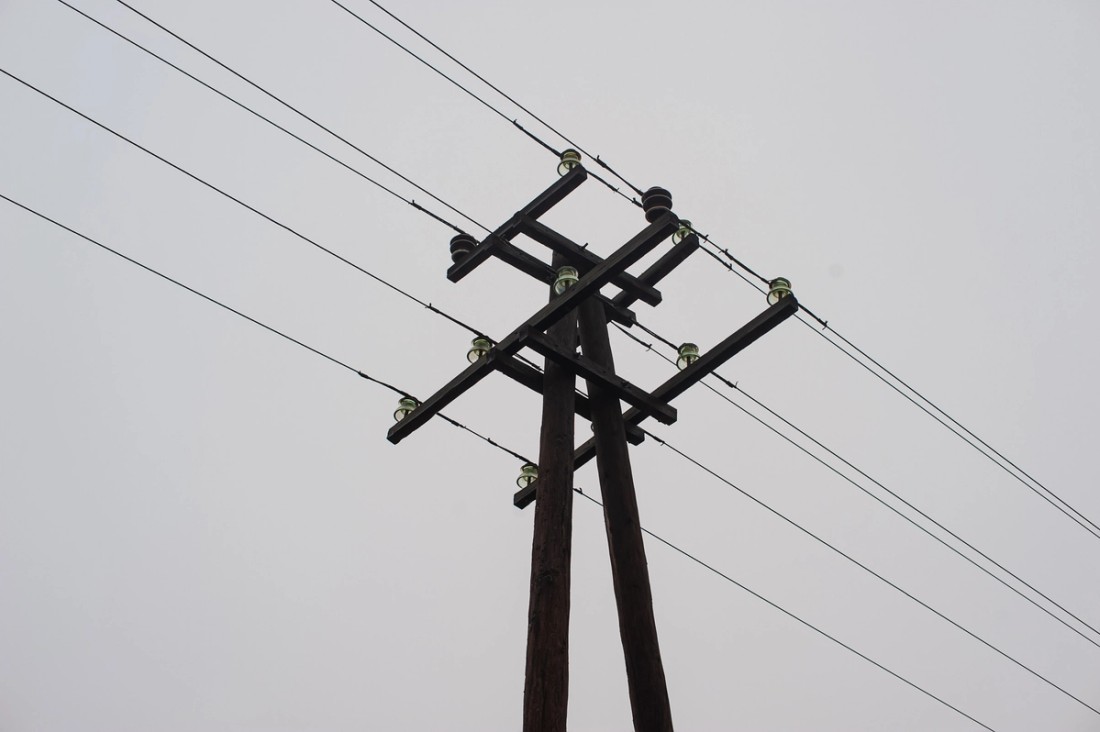
Training the next generation of engineers by solving real-world energy challenges on the ground in Uganda.
Few projects embody the journey from theory to tangible impact better than the Columbia World Projects (CWP) Using Data to Catalyze Energy Investments initiative in Uganda.
Energy investments often go toward high-profile structures like homes or hospitals. But this Columbia World Projects initiative, led by Engineering Professor Vijay Modi, focuses on a far more crucial gap: energy access for activities that generate income — like farming, food processing, and small businesses. The goal of the project is to use innovative data collection and mapping combined with powerful analysis tools to show investors and policymakers exactly where a small energy investment will yield the greatest local socio-economic return.
Plotting the Course: When Data Meets the Dirt
At its core, Professor Modi’s project needed to leverage holistic data — including satellite imagery, census surveys, and the lived experiences of communities — to geo-locate rural electricity demand. But as the CWP project team reaffirmed, you can't map a country's energy usage from a desk in New York; you must understand the on-the-ground reality of each community.
This required Professor Modi and his team of Columbia researchers and students to piece together a detailed picture of how people live, work, and use energy, cross-referencing collected data to assess where and what the electricity demand will be in rural settings that currently lack infrastructure.
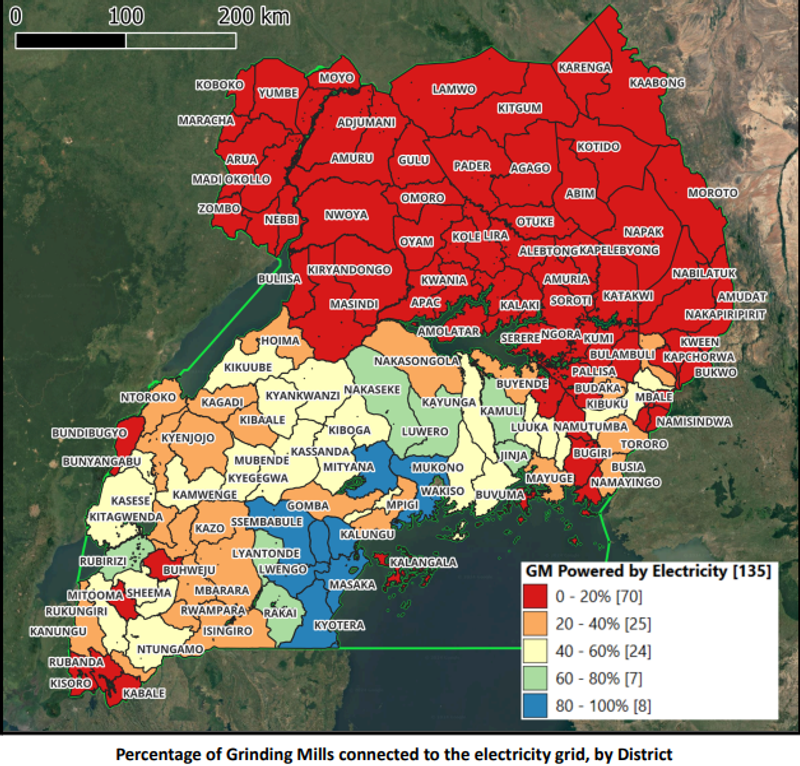
Guided by the needs of their Ugandan government partners, Modi’s students, , including PhD candidates Hasan Siddiqu, Joel Mugyenyi, and Yuezi Wu, synthesized satellite imagery, census data, and more than 84,000 household surveys conducted by Ugandan field teams, and created a data analysis tool that can help the Ugandan government pinpoint exactly where new electricity infrastructure is needed to support income-generating activities like small farms that need reliable power for irrigation and food processing.
“The precise details of a solution... have to be shaped collaboratively,” Professor Modi explains, noting that true impact “can only happen when it's co-developed.”
This approach challenged the student researchers, who realized that their biggest hurdle wasn’t analyzing data — it was real-world implementation.
“Before joining this CWP project, my professional focus was primarily on the supply side of the electricity sector,” recalls Columbia PhD student Joel Mugyenyi. “CWP fundamentally reshaped my perspective. It taught me to adopt a more localized and demand-centered approach to energy challenges, focusing directly on the lived experiences of households.”
The work quickly moved past theoretical modeling. Students found themselves engaging directly with Ugandan government partners — a necessity that demanded a new set of professional skills. As PhD student Hasan Siddiqui explains, the team had to learn how to translate complex analysis into actionable insights.
“The experience helped cultivate the ability to better understand the needs of the beneficiaries of our work,” he notes. “This required distilling the publications down to one- or two-pagers that conveyed the overall picture of the challenges and the solutions.”
Beyond the Campus Walls: A New Perspective
The value of this collaboration wasn't just the energy investment data tool; it was the fundamental shift in worldview for the Columbia researchers. For Yuezi Wu, a PhD student who traveled to Uganda with the project, the experience was a profound lesson in humility and partnership.
“The project connected me to on-the-ground work in Uganda, where I engaged with people across different sectors. Some local stakeholders already understand what truly matters for energy system development. We need to learn from their knowledge and combine it with our strengths in data and modeling,” Wu said.
Faculty Field Notes: Training the Next Generation
Professor Modi emphasizes that this project wasn't just research — it required students to grapple with the messy, multi-faceted reality of global policy and partnership. As Modi found, “The reality of what's happening on the ground is way more complicated than a model would tell you.”
Students also experience a shift in how they view their work when they realize they aren't just turning in homework — they are delivering professional solutions. “I think the role of the university is to train the next generation of engineers, policymakers, economists, and to work with students to solve real life problems, right? Not just theoretical problems on the board,” professor Modi says.
By having to communicate findings to various Ugandan ministries (Energy, Agriculture, Local Government), the students gained invaluable experience in inter-institutional negotiation, project implementation, and effective communication — skills that are crucial for any global professional.
The Return Trajectory: Connected to the Countless
Ultimately, the CWP Using Data to Catalyze Energy Investments project aims to unlock economic opportunities, boost food security, and ensure that scarce resources are allocated effectively — a goal that Joel Mugyenyi says his team is driven by, as this experience “reinforced my belief in the critical role of evidence-based policy and data-driven decision-making.”
Students also learned how their models and tools for targeting high-impact investments and optimizing infrastructure deployment can scale to new environments. The project is already expanding to Zambia, where Professor Modi has secured funding to collaborate with the government. The research team will use the frameworks established in Uganda to map the country and analyze the suitability of new energy infrastructures.
This real-world complexity is exactly what Professor Modi seeks to expose his students to. With the support of Columbia Global, the team moved the classroom into the field — bridging the gap between academic study and global impact.
